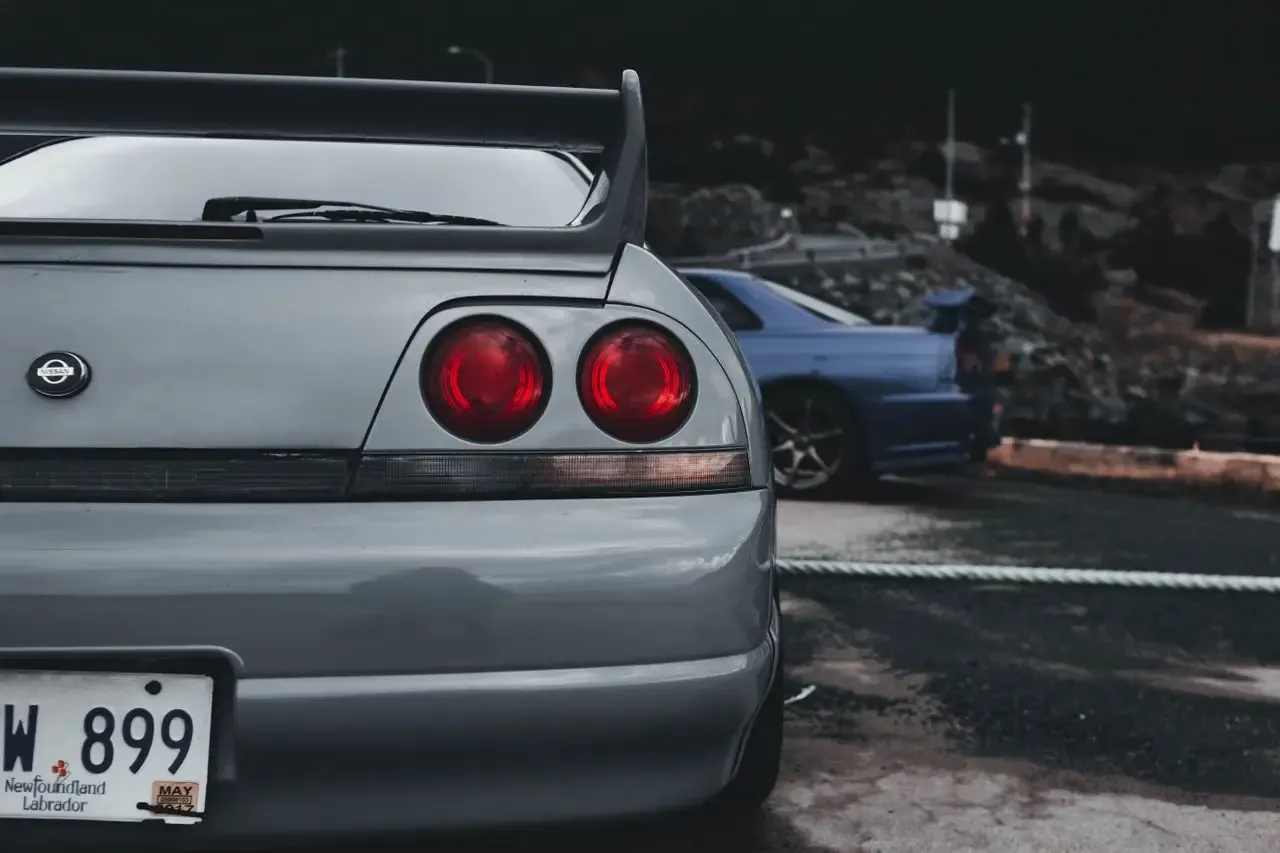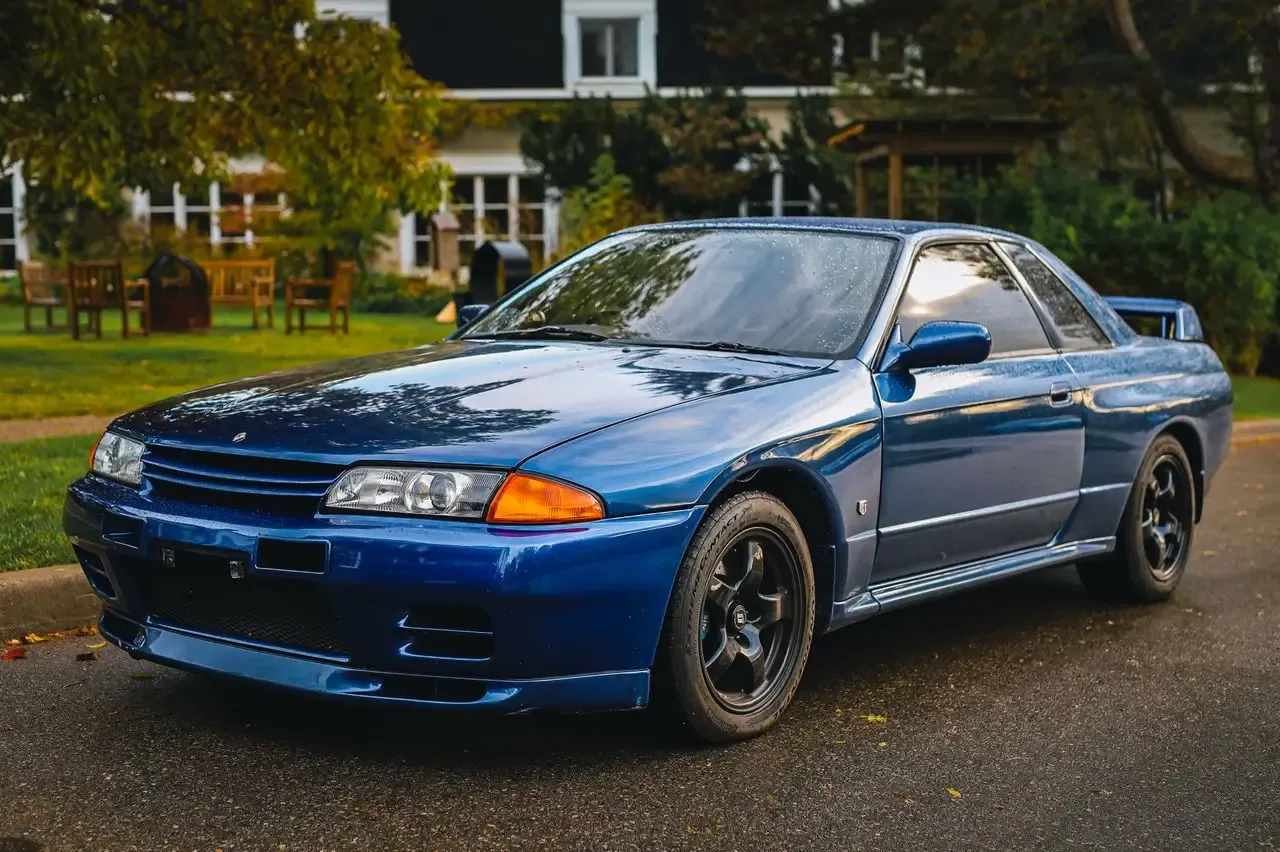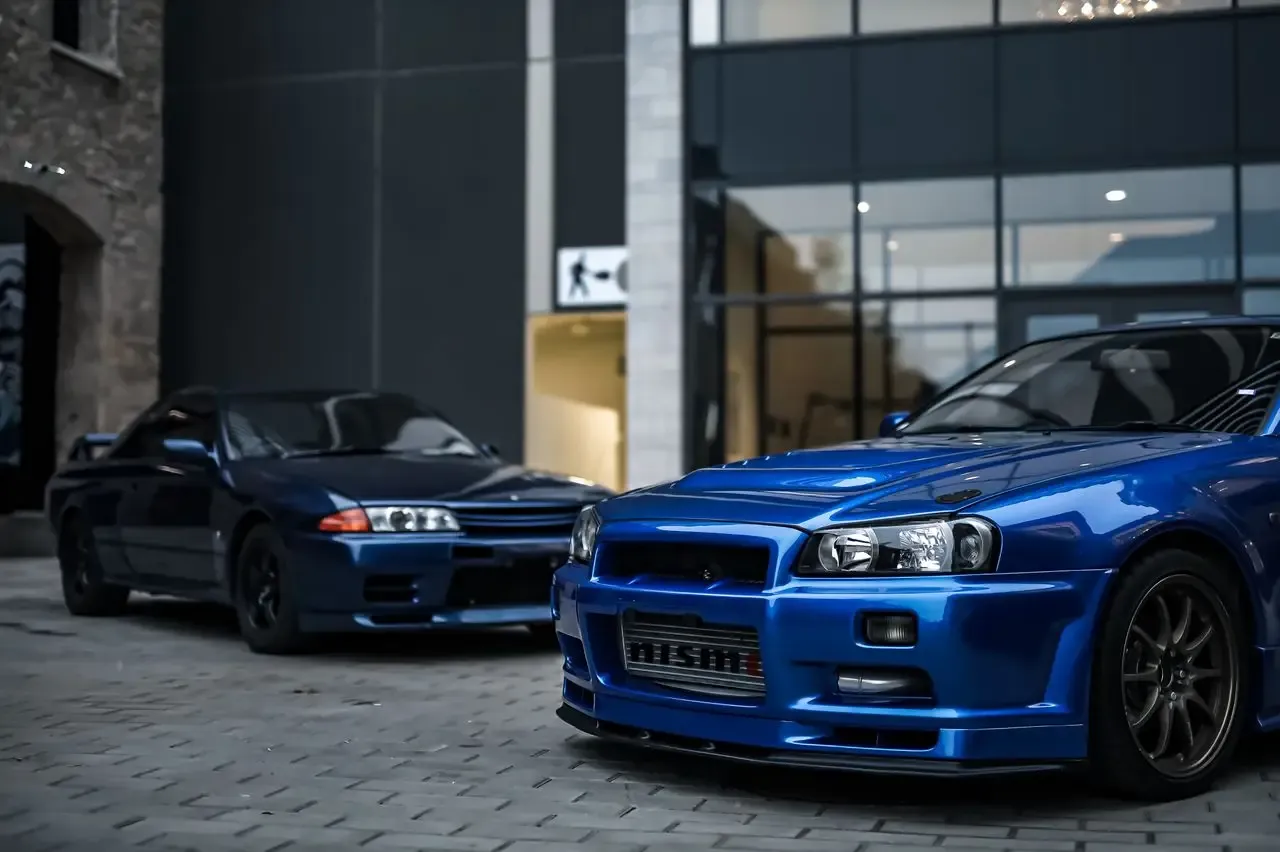
A modern electric crossover weighing two and a half tonnes will out-accelerate a BNR32 GT-R to any speed you like, driven by anyone at all, in any weather, while playing a podcast. This is now unremarkable. It is also completely beside the point, and the reason why is the most interesting thing about the R32 at thirty-five.
The numbers stopped mattering
For its first twenty years the R32’s case rested on performance. It was faster than things that cost four times as much, and the Group A record — twenty-nine wins from twenty-nine starts — was the proof.
That argument is dead. Not weakened, dead. Nothing about a 1,430kg car with a claimed 280 PS is quick by 2026 standards, and pretending otherwise is how enthusiast writing becomes embarrassing.
What survived the collapse of the performance argument is more durable: the R32 is an unusually communicative machine. ATTESA E-TS was engineered when the computing budget for a torque-split decision was almost nothing, so the system is simple, fast, and legible. You can feel it working. You can feel it decide.
Legibility is the whole thing
This is what the imitators cannot replicate, and “imitators” here includes Nissan’s own R35, which is a magnificent device and a completely different proposition.
Modern all-wheel-drive performance cars are mediating. The gap between what you ask and what the car does is filled with software making better decisions than you would. That is unambiguously faster and, for most people most of the time, unambiguously better.
The R32 does not mediate. It splits torque rearward by default and sends it forward when the rear axle has run out of ideas, and the handover is something you feel through the seat rather than something you read about afterwards.
Every modern car is faster than an R32. None of them will tell you as much about what you just did.
What thirty-five years did to it
Made it expensive, mostly, and turned a fair number of them into investments. Values have quadrupled since the American import window opened and the cars that remain are increasingly kept rather than used.
The mechanical realities have not changed. The ceramic turbos are still fragile. The number six cylinder still runs hot. The oil sump still wants baffling if the car sees a circuit. Thirty-five years of accumulated knowledge means every one of these is a solved problem, and the solutions cost less than the car now does — which was not true for most of its life.
The case, now
Buy one because it is the last car of its type that will talk to you at legal speeds. Do not buy one to be fast. It isn’t, and everyone knows it isn’t, and the ones who still bring it up are not driving theirs.