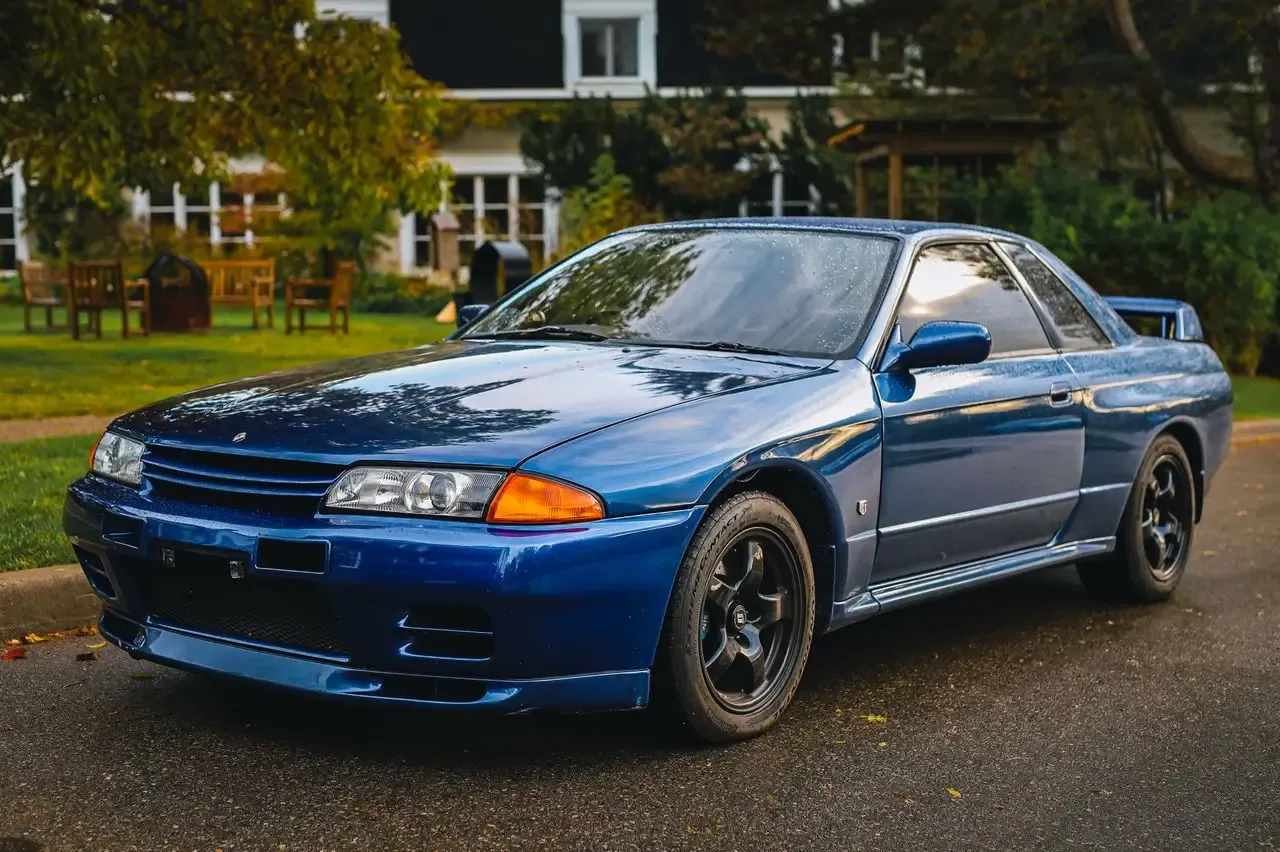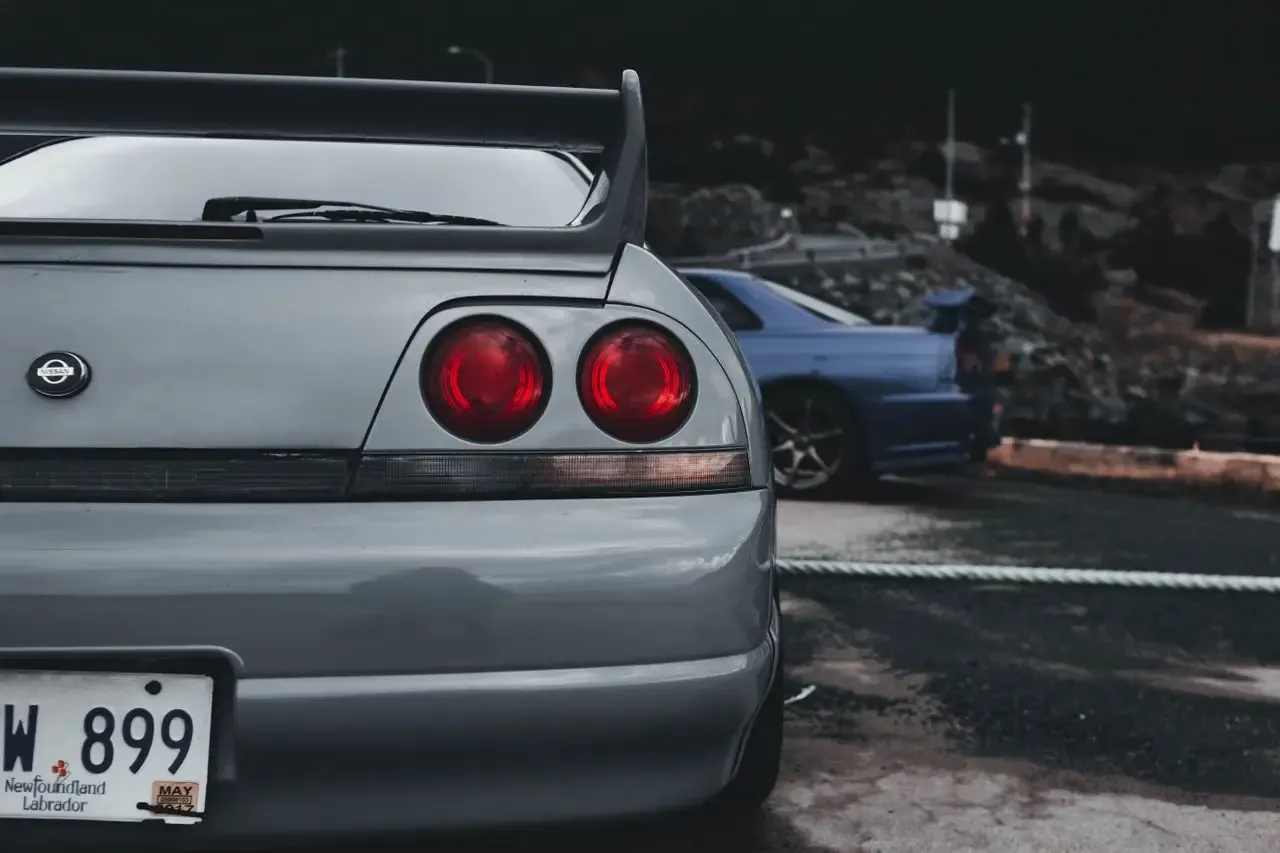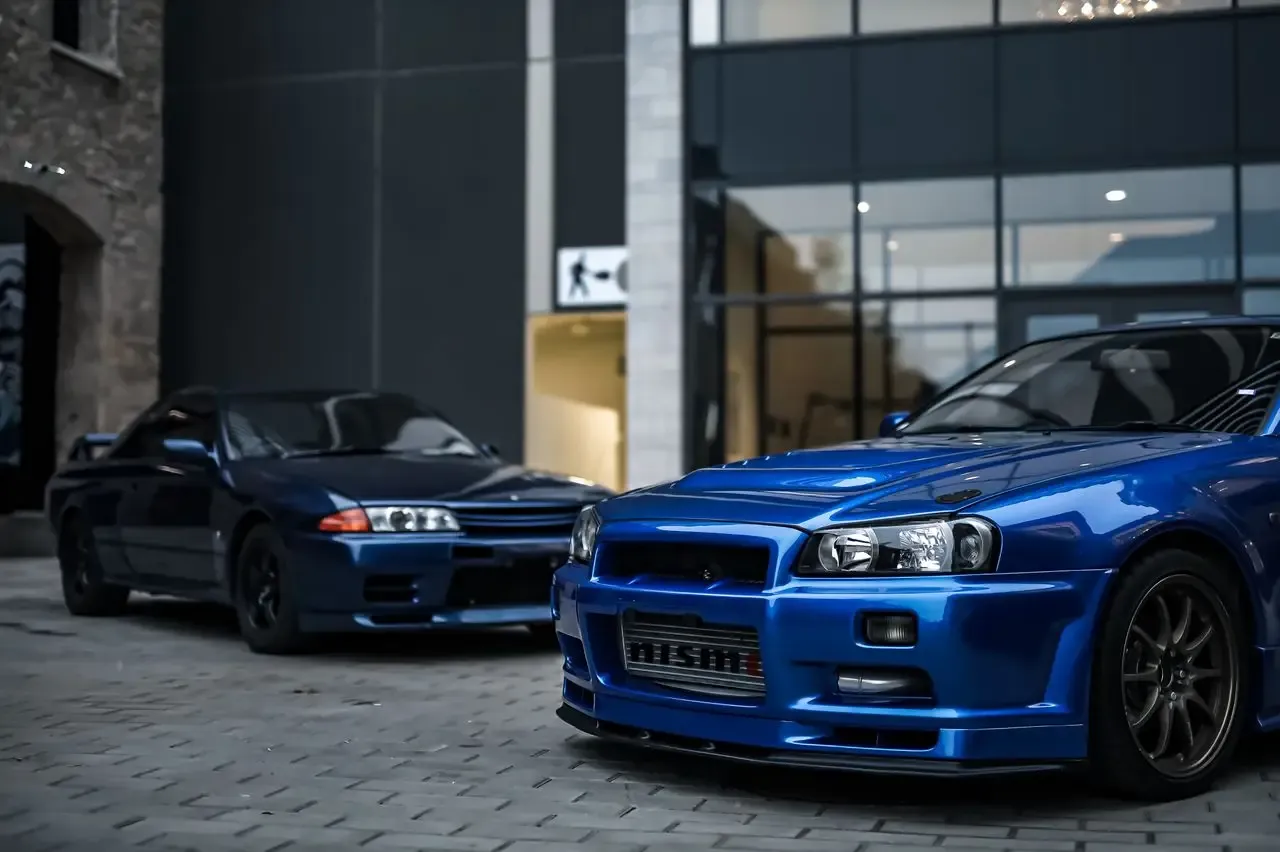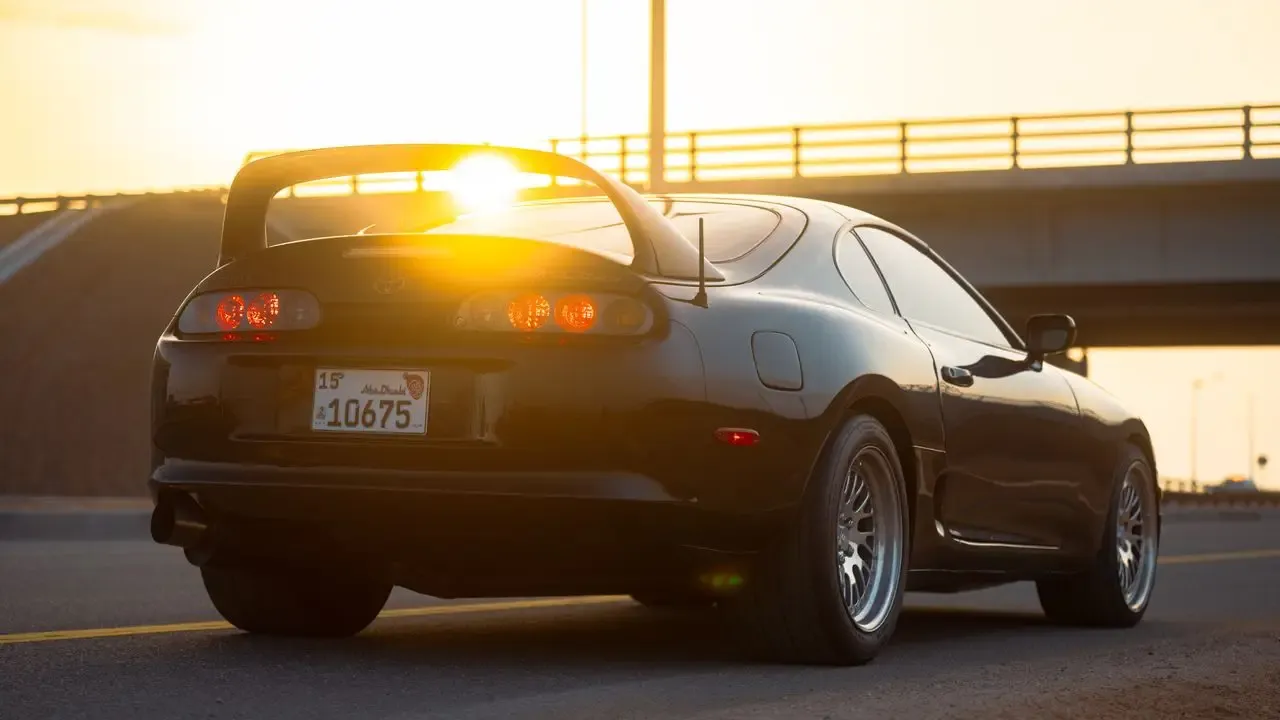
Ask which is better and you will get an answer within seconds, delivered with total confidence, from someone who has owned neither. The 2JZ-versus-RB26 argument is the oldest fixture in JDM discourse, and its longevity comes from the fact that both sides are right about different things.
They were solving different problems
The RB26 was built to satisfy Group A homologation. Every notable decision — the 2.6-litre capacity, the individual throttle bodies, the structural overkill — traces back to a rulebook and a championship Nissan intended to win.
The 2JZ-GTE was built to make a grand tourer quick and to do it for two hundred thousand miles without complaint. Toyota was not homologating anything. They were building an engine to Toyota’s durability standards that happened to have a closed-deck iron block, forged rods, and a bottom end specified with the kind of margin that only makes sense inside a company that assumed nobody would ever ask for more than 280 PS.
Both companies over-engineered, for entirely unrelated reasons. That coincidence is the whole story.
Where the 2JZ wins
Headroom, and the ease of getting to it. The 2JZ’s reputation for accepting enormous power on standard internals is largely deserved — the block, the crank and the rods will tolerate figures that ought to embarrass them, and the sequential turbo system can simply be replaced with a single large one for a well-trodden path to 500 horsepower.
It is also, bluntly, the easier engine to live with. Fewer hoses, fewer sensors, a cooling system with actual margin, and no cylinder that runs hot as a design characteristic.
Where the RB26 wins
Everything that happens before the power arrives. Six individual throttle bodies give a throttle response the 2JZ’s single plenum simply cannot replicate — an immediacy between your right foot and the crank that survives any amount of turbocharging.
The RB26 also sounds better, which is not a small thing, and it revs with an eagerness that the larger, longer-stroke Toyota never quite matches. If the question is which engine is more enjoyable at seven-tenths on a road you know, the RB26 is not really in an argument.
The 2JZ is the better engine. The RB26 is the better experience. People who insist these are the same claim are the reason the argument never ends.
The part nobody concedes
The 2JZ’s reputation was made in America, by a drag-racing and drift scene that valued exactly the qualities Toyota accidentally provided: cheap power, huge margins, and indestructibility under abuse.
The RB26’s reputation was made in Japan and Australia, on circuits, where response and balance mattered and where the engine’s fragilities could be managed by people who understood them.
Both reputations are accurate within the world that produced them. The argument persists because each side keeps answering a question the other side never asked.