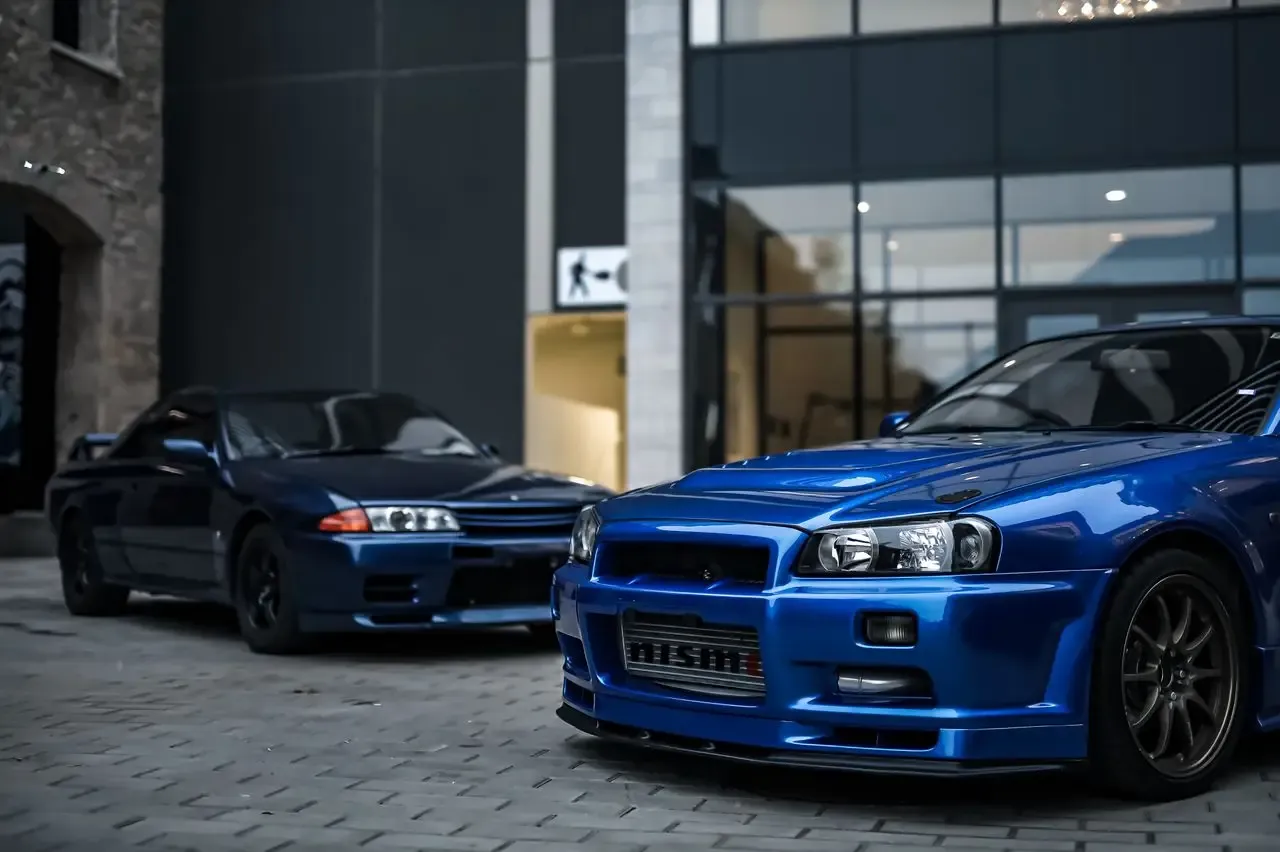
Three cars, thirteen years, one nameplate that arrived to win a championship and left as the most recognisable Japanese performance car ever built. The odd part is how little the recipe changed and how differently each generation is remembered.
R32: the one with something to prove
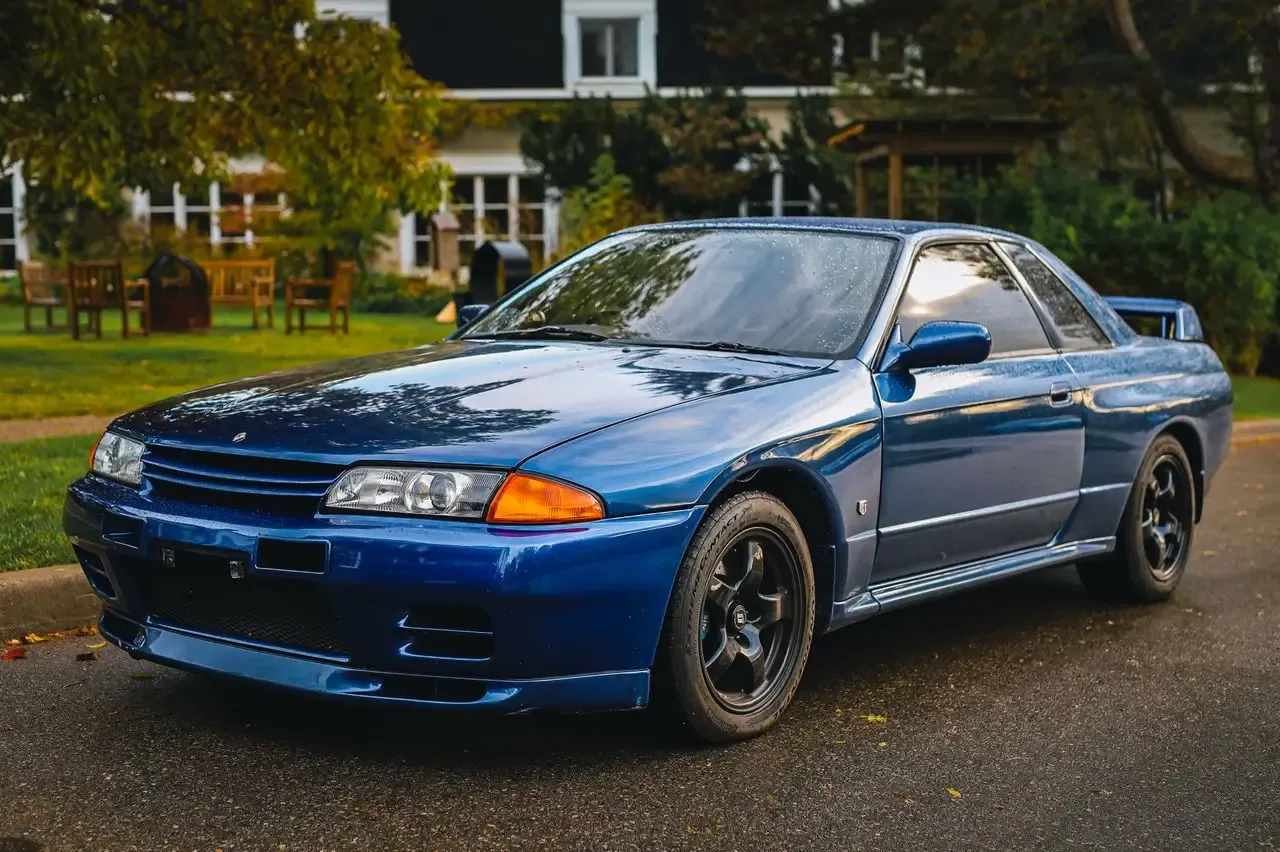
The GT-R name had been dormant for sixteen years when the BNR32 arrived in 1989, and Nissan brought it back for a single reason — to beat the Ford Sierra RS500 in Group A. It did that with a completeness that ended the category. Twenty-nine wins from twenty-nine starts in the Japanese Touring Car Championship. The Australians called it Godzilla, and the rulebook was rewritten around it.
The road car is smaller than its reputation. It is narrow, it is light by any modern standard, and the ATTESA E-TS system that made it unbeatable feels almost mechanical in its decisiveness. Of the three, it is the one that most obviously came from a racing programme with a road car attached as an afterthought.
R33: the one everyone got wrong
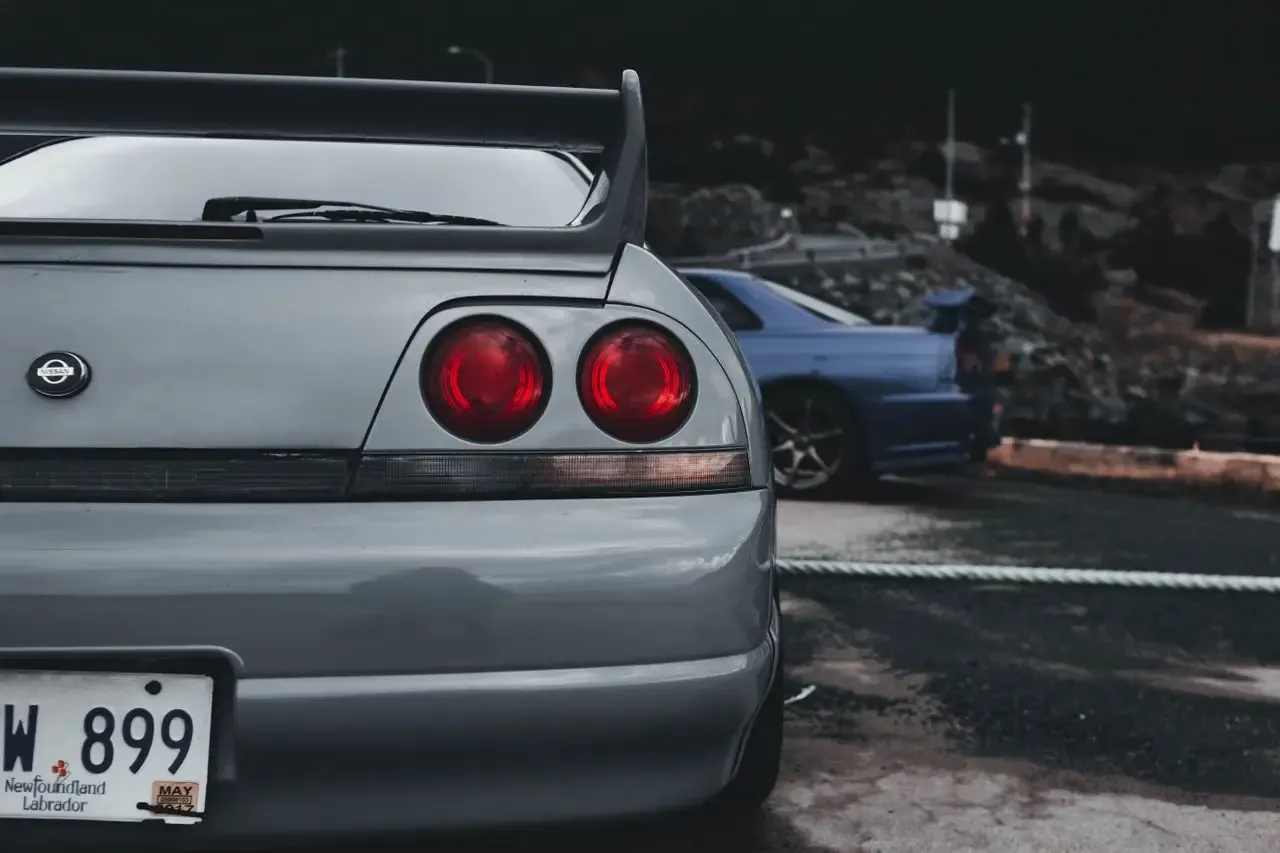
The R33 spent twenty years as the punchline and is now, quietly, the most interesting car of the three to buy.
The complaints were real but small. It was longer, heavier by around a hundred kilograms, and it arrived without a championship to win, because the category the R32 had destroyed no longer existed in the same form. A generation of enthusiasts absorbed the received wisdom — R33 is the fat one — without ever driving it.
What that wisdom missed is that the R33 is a substantially better road car. The chassis is stiffer, the ATTESA logic is more resolved, and the extra wheelbase makes it far less interested in trying to kill you at the exit of a damp corner. A well-sorted R33 goes down a real road faster than a well-sorted R32, and it has taken the market this long to notice.
The R33 is the only one of the three you can still buy on rational grounds. That window is closing.
R34: the one that became the poster
The R34 is where the GT-R stopped being a homologation special and became an icon, and the transformation had less to do with the car than with everything around it — a video game, a film franchise, and a twenty-five-year import rule that made it forbidden fruit in the world’s largest car market for exactly as long as it took to become mythical.
Underneath, it is an evolution rather than a revolution: the same RB26, the same core all-wheel-drive philosophy, a shorter wheelbase than the R33, and the multi-function display that everybody remembers. What it did better than either predecessor was feel special from the driver’s seat at any speed, which is a harder thing to engineer than lap time.
What the run actually proved
That you could build a car to satisfy a rulebook and accidentally build a legend. All three share an engine designed for a capacity class that no longer exists, an all-wheel-drive system developed to win a championship that ended, and a power figure that was a polite lie.
None of it was aimed at us. That is exactly why it worked.