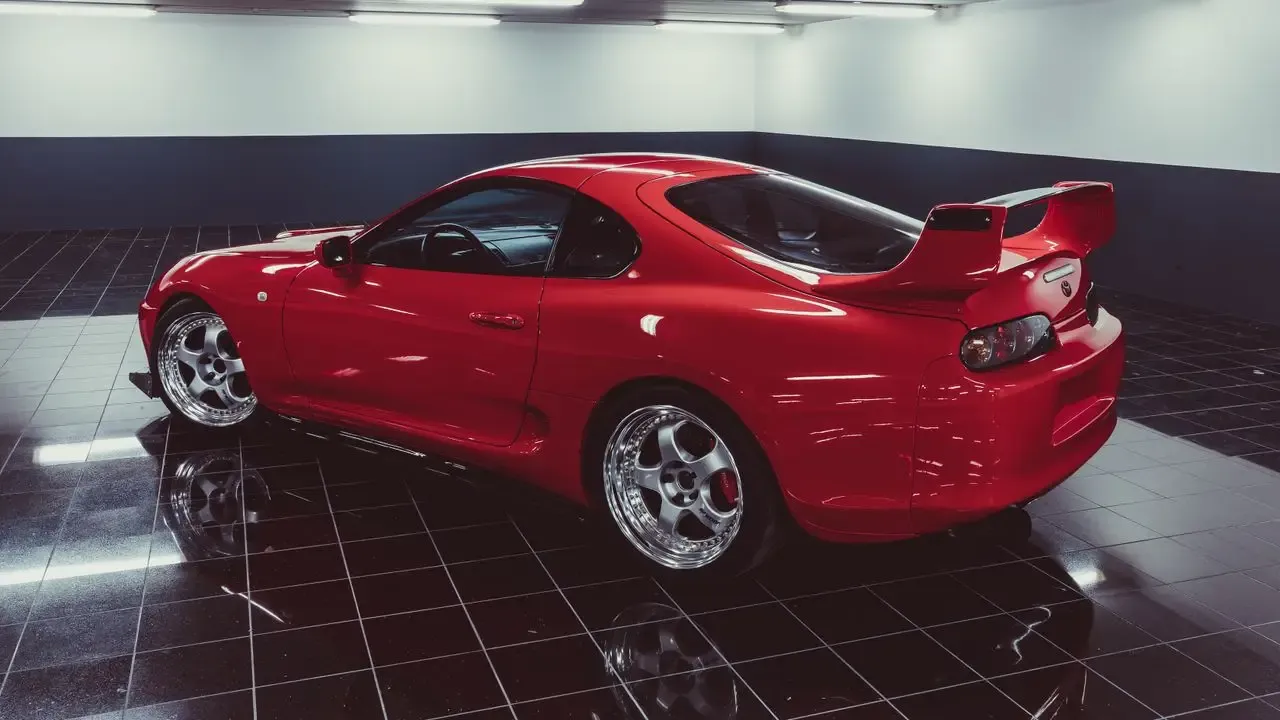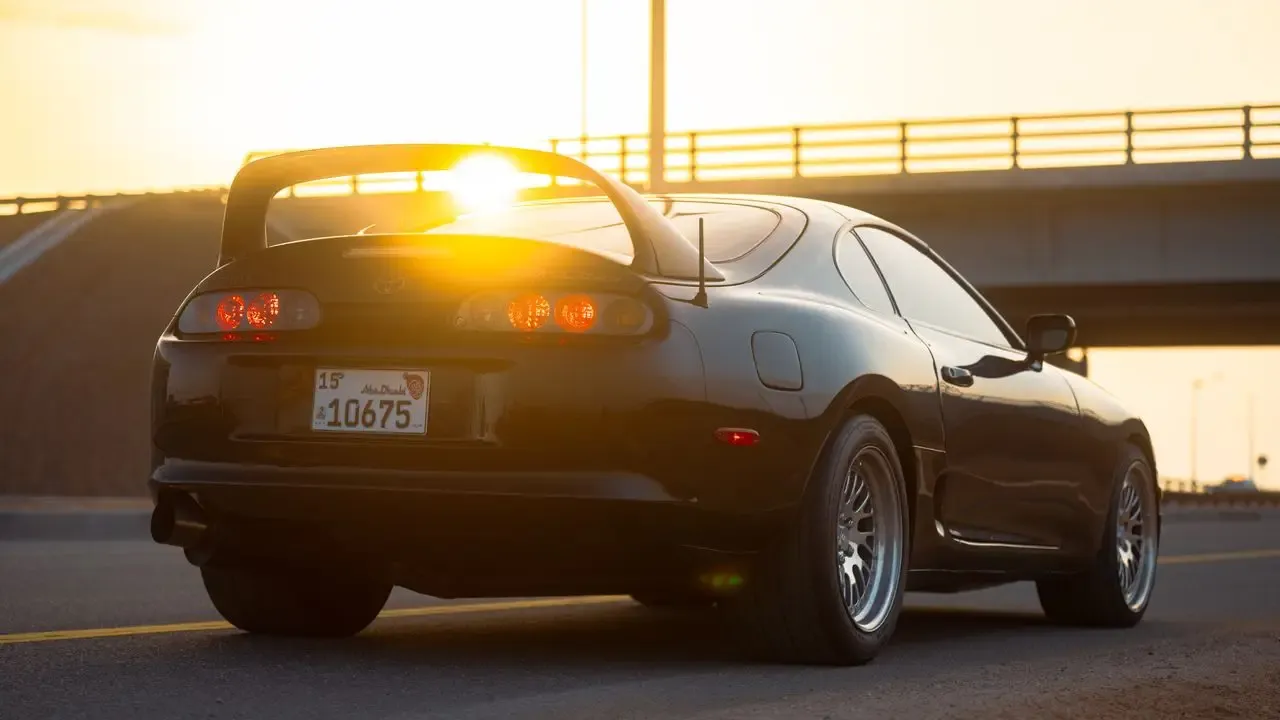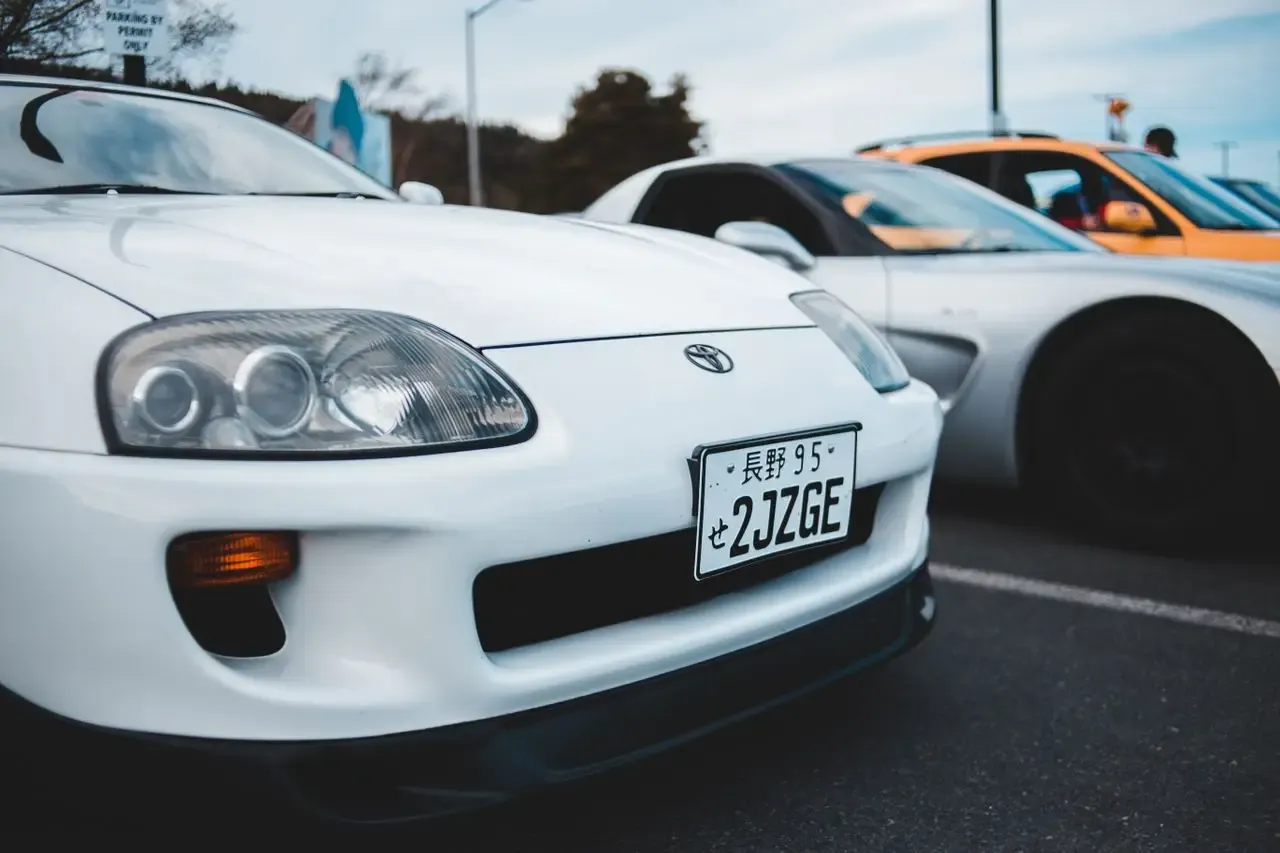
The A80 has a reputation as the sensible choice — the JDM hero car that will not bankrupt you, because Toyota built it properly and the engine is indestructible. Most of that is true. It is also precisely why so many bad A80s are on the market at good-A80 prices.
An indestructible engine is a licence for neglect. Two decades of owners have taken it.
Establish what you are looking at first
More than half the work is confirming the car is what the advert says. The A80 was sold as a naturally aspirated 2JZ-GE and a twin-turbo 2JZ-GTE, and the visual differences are slight enough that the conversion trade is brisk and not always honest.
- Check the chassis code on the plate. JZA80 covers both; the engine number is what settles it.
- A genuine twin-turbo car has the factory sequential plumbing, the correct loom, and a differential and gearbox specified for the torque. NA-to-TT conversions frequently retain the NA rear end, which will fail, on a timescale nobody can predict.
- Automatic to manual swaps are extremely common and range from factory-correct to genuinely dangerous. The V161 Getrag is the one you want.
The 2JZ myth, examined
The block will take 700 horsepower. This is true and irrelevant to the car you are inspecting, because nothing else on it will.
What actually fails on an A80, in rough order of frequency:
- The sequential turbo system. Same story as the FD — vacuum lines, actuators, and a control system with more failure modes than diagnostic patience. Most “the turbos are gone” cars need hoses.
- Rust in the rear arches, the sills, and around the fuel filler. Japanese cars are better. Cars that spent a decade in the UK or the American north-east frequently are not, and the arch lip is where you look first.
- The interior. Bolsters, the dash top, and the notorious rear hatch struts. Trim is scarce and prices are absurd.
- The clutch and rear end on converted cars, per above.
Nobody has ever regretted paying more for an unmodified A80. A great many people have regretted the alternative.
What the market is doing
Prices have doubled since the earliest cars cleared the American twenty-five-year rule and they have not come back down. That has two consequences worth knowing.
First, the good cars are being hoarded. Genuine twin-turbo six-speeds in original paint barely reach the open market; they change hands between people who already know each other.
Second, everything else is being presented as better than it is, because the headline prices give sellers a number to aim at. The gap between what an A80 is advertised as and what it is has never been wider.
The advice
Buy the boring one. A naturally aspirated 2JZ-GE automatic in honest condition is a genuinely lovely car, costs a third of a real twin-turbo, and will not be hiding a converted rear end and someone’s optimistic loom repair.
If it must be a twin-turbo six-speed, budget for an inspection by someone who has seen a hundred of them, and be prepared to walk away from four cars before you buy the fifth.